If you’ve been struggling with hair that’s damaged, brittle and breaking, falling out, won’t grow long, or is too dry or too oily, don’t despair! Instead, add herbs to your hair!
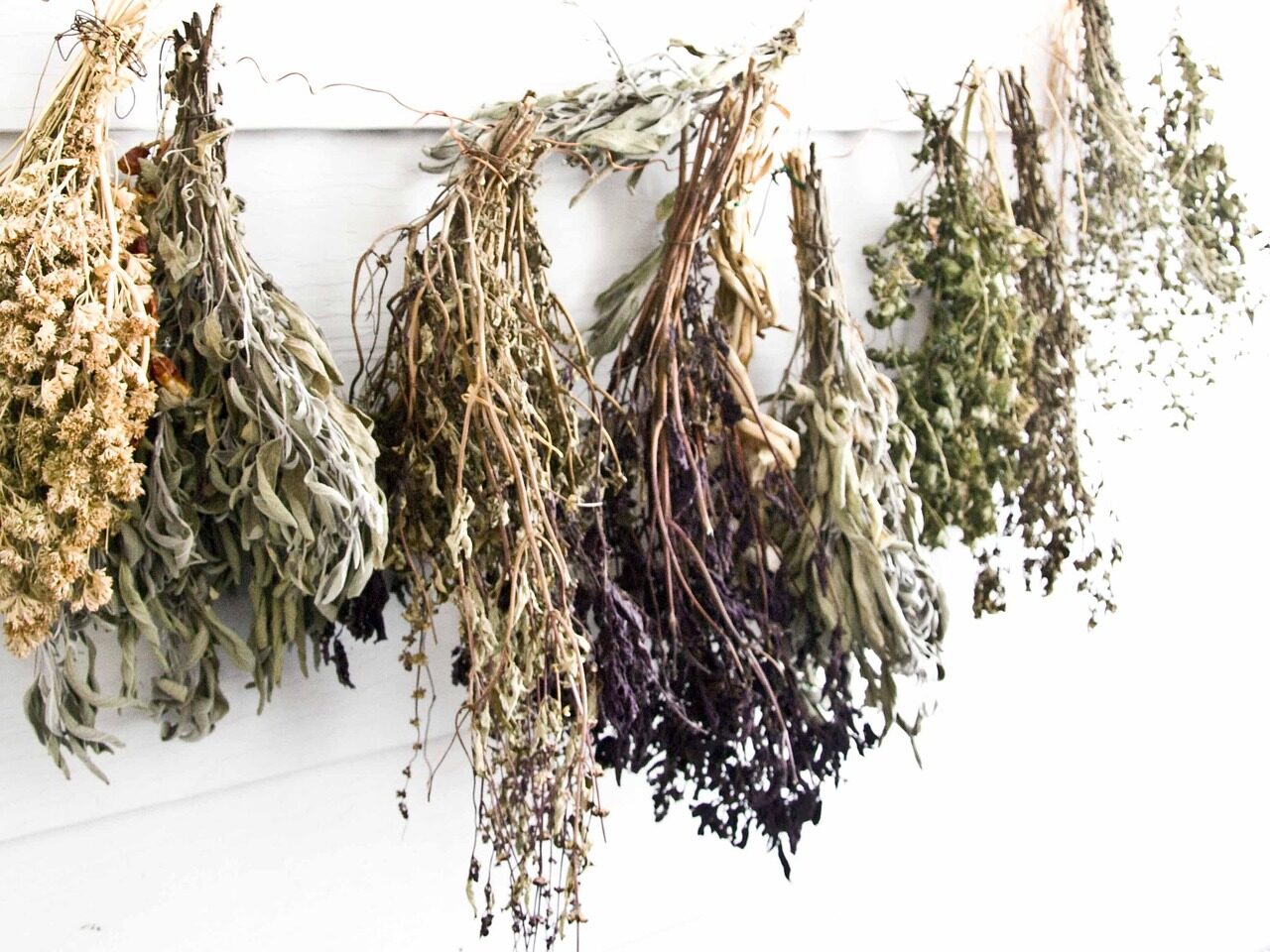
Hey friends! Cariel here.
I’m SO excited about this post, because when our hair is less-than-lovely, it can really get us down. I also love to share herbs that help us get our loveliest hair, because there’s so much quiet joy, satisfaction, and pride that comes from taking care of ourselves with these beautiful, natural, lovely-smelling remedies!
So, even if you’re not feeling your best about your hair today, there are some incredibly powerful and nourishing herbs that will restore your hair’s shine, beauty, strength, and length.
Today, I’m going to share which herbs people everywhere have used for generations to keep their hair healthy, as well as how to prepare and use them for the greatest benefit to your hair!
Let’s dive in!
(As an Amazon Associate, I earn from qualifying purchases.) Additionally, I am not a doctor or health physician, and the advice given here should not be used in place of professional medical advice. Please do your own research.
What Makes Hair Unhealthy in the First Place?
Our hair reflects what’s going on both inside and outside of our bodies. Lack luster hair is often one of the most noticeable signs that we’re lacking important vitamins and minerals in our diet, that we’re going through stress or health problems, or that we live in a way or place that’s harsh on our hair.
Usually, it’s a combination of several factors, and boosting our health from different angles is the key to keeping our hair healthy and strong.
Now, before we go any farther, I need to be very clear on one thing:
Each person’s hair has a maximum speed it can grow when that person’s body is at optimal, peak health. Nothing can cause hair to grow any faster than this optimal speed…
That said, if a body is lacking certain nutrients or living with conditions that slow hair growth, getting that situation straightened out will allow the hair to get back to growing faster – at its optimal speed – again.
But remember, nothing can cause hair to grow faster than its optimal speed when the body is at optimal health.
The best we can do is support our bodies and take good care of our hair.
Live Healthier for Healthier Hair
It can be so incredibly hard to change our lifestyle or circumstances in a way that will make our hair healthier…
Please, please know that I understand that so much is out of our control, and that if we could do better, we likely would be already. I am not here to make you feel guilty, and my whole ethos is about making small changes to life so that we can go from where we are now to where we want to be… Hair health captures that struggle so well because it takes so much time and effort to make these changes and see positive results.
So, when you start your hair-repair journey, take even the teeniest baby steps, and build up when and how you can.
The key is to stay consistent.
Just stick with it, and if you fall off track, don’t feel ashamed, just get started again. The better you feel, the easier it gets, and the easier it gets, the better you’ll feel!
To get started, focus on:
- Eating Well
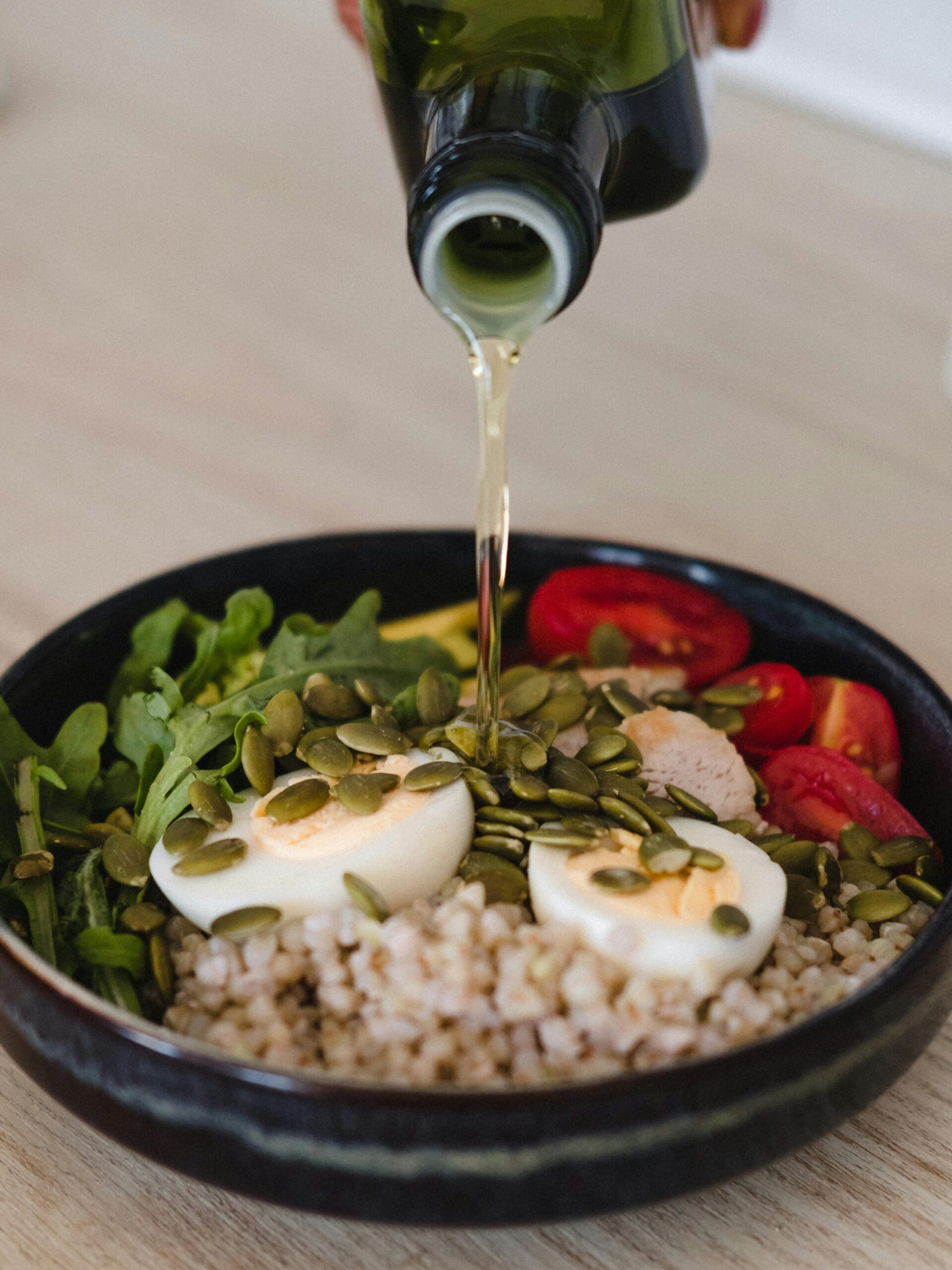
A diet that’s rich in healthy fats, vitamins, minerals, antioxidants, protein, and clean water are all essential to giving your body what it needs. So, even if you can’t overhaul your entire diet right now, start out trying to eat one vitamin and protein rich meal per week — and work up to drinking at least a quart of water a day. You’ll notice that you feel better and that your hair and body are responding – even if it’s just gradually at first! - Sleeping Enough
Getting between eight and ten hours of sleep per day/night is so, so, so important to your body and mind. When asleep, your body does an entire shift of healing, repairing, and processing that it simply can’t do when you’re awake, and that can’t be finished in too-short a time. If you can get enough sleep, you’ll notice that your body (and your hair) are feeling and looking better. - Taking Good Care of Your Hair
It may seem obvious, but there are actually many things you can do that can harm, or help, your hair.
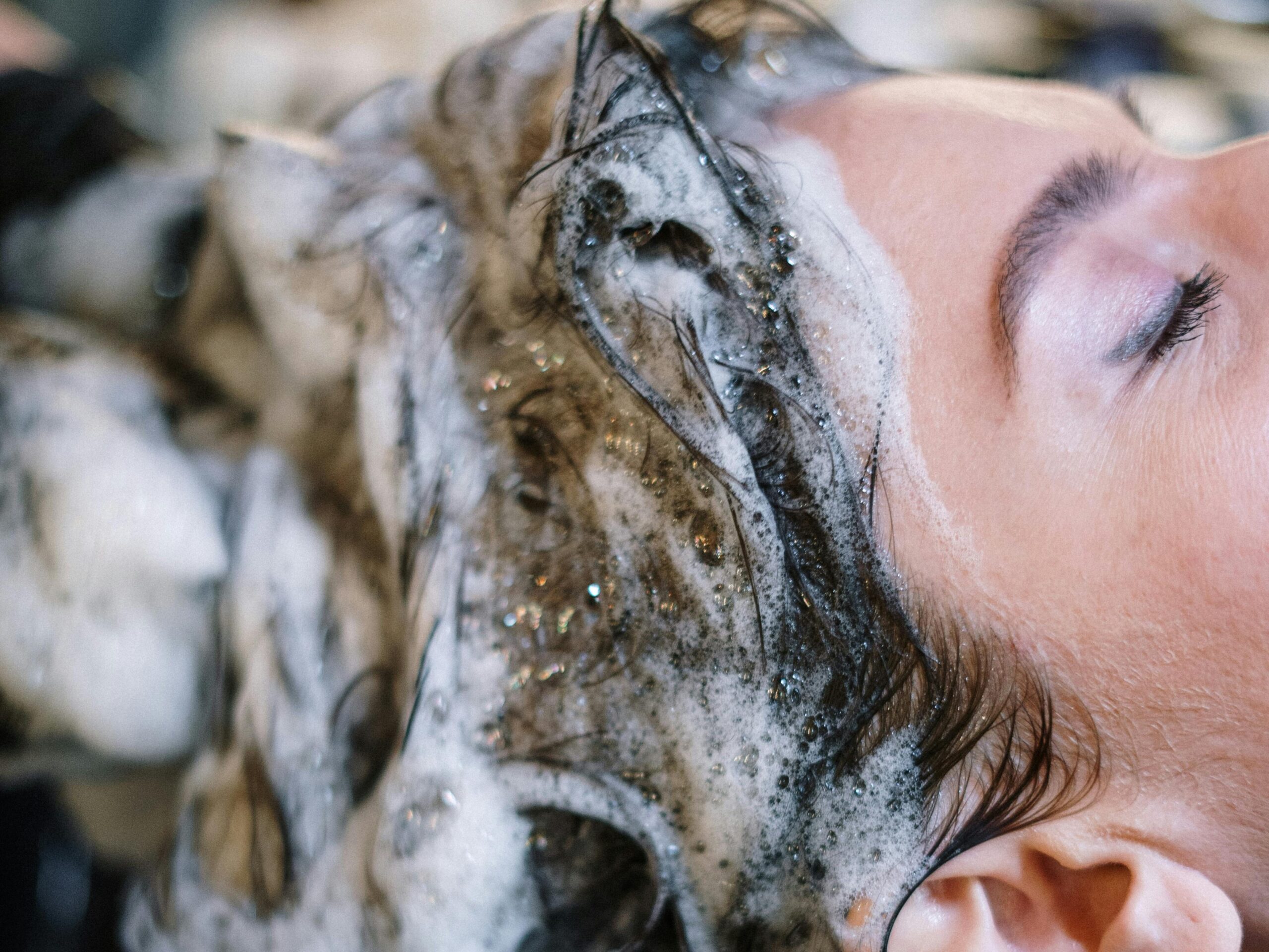
For example, it’s important to wash your hair when it gets oily or dirty. Washing your hair means the follicles are clean and do not have oil, dead skin cells, dirt, and product residues built up in them – all of which cause slower, unhealthier hair growth. Wash your hair as many times as you need to get it clean, making sure you get everything out of the follicles and off of your scalp and hair shaft. For an in-depth tutorial on how to wash your hair without damaging it, watch this video , and this video! To learn how to make your own all-natural shampoo, check out my post on soap nuts, too!
It’s also important to make sure you aren’t using hair styles that damage your hair. Tight hair styles put pressure on the shafts of the individual hairs, and also the hair follicles in your scalp. Over time, this can easily cause hair to begin breaking and falling out. Instead, opt for looser hair styles (if you can) that don’t pull at your scalp, use braids to hold hair back instead of tight hair ties, and don’t be afraid to use hair scarves to keep your hair under control at work or while you sleep! Other things that you many not immediately think of, like wearing a hat that rubs against the hairline or twisting hair up in a towel when it’s wet, can also cause your hair to grow more slowly or break off, too. Just be mindful about how the way you handle your hair, physically, might stress or damage it.
For a deeper dive on how to grow amazing, long hair, watch this fantastic video!
In addition to just living and eating more healthily, if your hair is really in poor shape, it’s never a bad idea to pop into your friendly doctor’s office! They can help you figure out what nutrients you’re low in (if any), if you have any underlying health conditions, and write a referral for you to see a dermatologist or trichologist (a dermatologist who specializes in hair).
It’s also worth noting that if you think you need to supplement some sort of vitamin or mineral, that too much of some nutrients can cause hair loss! So, before you start taking all kinds of supplements that are marketed for healthy hair, know that it could do more harm than good, that you’re likely better off supplementing these things via a healthy diet, and that it’s really important to see a doctor before going wild with over the counter supplements.
Now, Let’s Add Herbs to Your Hair Care
So, now that we’ve covered some basics on how to support your body so that it can grow some amazing hair, let’s talk about the herbs that you can add to REALLY give it an incredible boost!
First, I want to talk about the different ways you can prepare the herbs so they’re easy to put on your hair, and then I’ll dive into which herbs I suggest you try for maximum impact!
How to Prepare Herbs for Hair Applications
The key for using herbs on your hair is to concentrate their essence in a liquid form that you can easily apply to your hair.
This basically comes down to using either infused oils, essential oils, or infused water.
Generally, homemade infused oils are not as strong or as concentrated as the high-quality essential oils that you can buy. If you make your own oils, you can usually use them directly on your hair. Essential oils need to be diluted in a carrier oil to keep them from burning or damaging your skin and hair.
You can also add essential or infused oils directly to your shampoo or conditioner. I advise that you make your own and then juice it up with herbs (rather than adding them to store-bought products)!
How to Make Homemade Herb Infused Oil
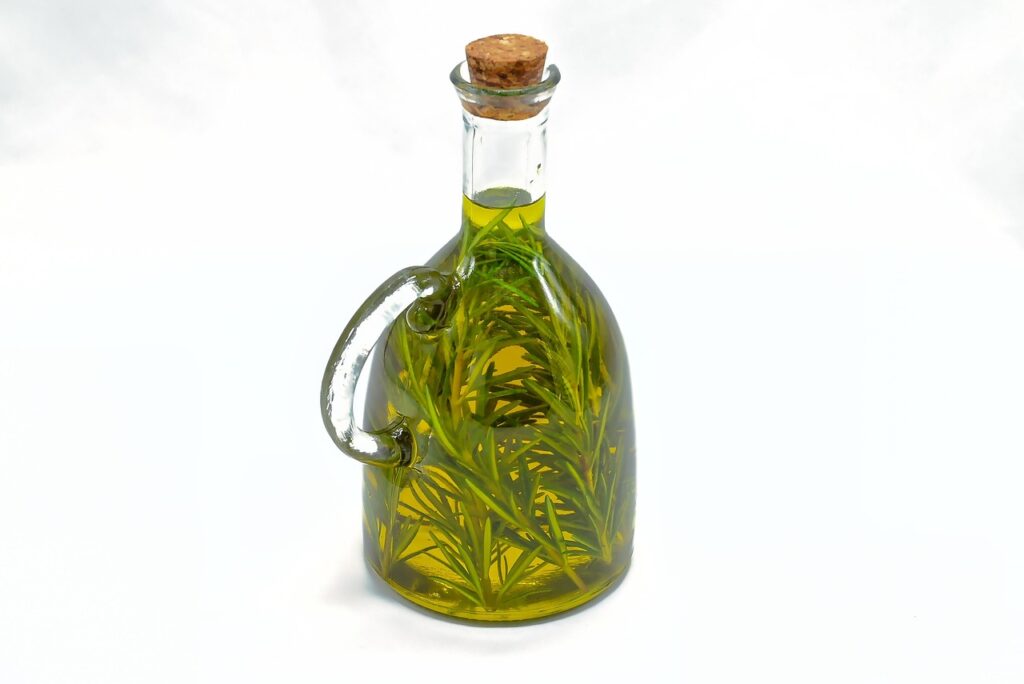
To make an infused oil, start with dried plant material. This is important because fresh herbs will have a lot more water in them, and moisture in your oil will cause mold or spoilage of your final product.
If you only have fresh herbs, you can easily allow them to air dry in a cool place, dry them in a very low oven (watching them carefully to prevent them burning and removing the dried portion as you go along), or wilt the herbs for several hours in a sunny windowsill.
Add your plant material to a clean, dry, preferably sterilized glass container – I’d recommend making at least a pint to start off with. A good ratio is 1/3 or 1/4 dry herbs in your container.
Then fill the container up with your oil of choice. Some excellent options are olive oil, coconut oil (fractionated coconut oil is great), jojoba oil, or grapeseed oil.
These measurements are not an exact science, and you can adjust your recipe to make it more or less concentrated as you learn and experience what works best for your hair!
Now, put the open, uncovered jar of oil and herbs into either a pot on the stove or a crockpot. Fill with water up to about 3/4 of the way up the side of the jar. Don’t get any water into your oil! Also do not put a lid on the pot or crockpot because water will condense on the underside and drop droplets of water into your oil.
Bring the water to a low simmer for about 30 minutes to an hour.
Once this simmering process is over, get the jar of oil out of the water and let it cool completely.
After it’s cooled completely, you have a couple of options.
You can:
- Let the herbs continue to infuse into the oil for 7-10 days before straining.
- Strain the herbs out of the oil immediately. Recommended Strainer
- Not strain the herbs out at all.
Most people will choose the first option of allowing the herbs to infuse for several days more, and then strain the herbs out of the oil. If you decide to strain your oil, it’s best to put a cotton cloth into a strainer so that you can get out all of the tiny bits of plant material that could clog up your dropper or spray bottle.
Transfer your strained oil into a glass bottle with an air-tight lid. It’s also a good idea to fill a small glass bottle that has a dropper attached to the lid so that you can apply the oil straight to your scalp or so that you can count the drops that you add to your spray bottle. The dropper is very helpful, either way.
Keep your big jar of infused, strained oil in a cool, dry, dark cabinet and refill your small dropper bottle as needed.
Infusing Water with Herbs for Hair
Using water to extract the essences of the herbs you’ve chosen works in two basic ways. Either you’re creating an herbal hair rinse for your hair, or you’re making more of a conditioning concoction that you’ll use, instead.
Which one you’ll make really depends on what herbs you’re using.
Plant material such that’s all leaves and thin stems will make something along the lines of an herbal tea that you would spray onto your hair once or twice a day. Unlike hair oils, water-based herb infusions will soak in and dry out faster, so they need to be applied more regularly.
Thicker, woodier plant material (such as marshmallow root) needs to be boiled and will sometimes make a thicker, slimy product that you’d either use as a conditioner or want to dilute down with water before using.
It really comes down to your hair’s own specific texture and body, and how it responds best to the preparation you’re using. I advise that you always experiment and try different preparations and combinations until you figure out what works best to get your hair into the peak of beautiful, luscious, strong condition you want!
Using Essential Oils on Your Hair
Pure, high-quality essential oils are a fantastic way to apply herbs to your hair, but you don’t want to add them directly, undiluted, to your body.
They need to be diluted into a carrier oil, and the same oils listed above – olive, coconut, jojoba, grapeseed, or another that you love – are all great choices. Many people choose jojoba oil because jojoba oil is SO GOOD for your hair in its own right. It makes a fantastic win-win to make your hair healthy, thick, glossy, and strong!
A good ratio is about 20 drops of essential oils to about 2-3 tablespoons of carrier oil. You can mix and match the oils you want to use on your hair, depending on what effects you’re aiming for in your hair care journey!
To use, just divide your hair into sections, and add the oil directly to your scalp. In this situation, less is definitely more, as excess oil can clog your pores and hair follicles in your scalp, so add just enough to spread and soak into your scalp.
You can use the dropper to apply the oil directly to your scalp, and you don’t have to worry about contaminating the dropper or the oil. Just apply the oil directly from the stopper, and then put it back into the bottle as many times as you need to. The antimicrobial properties of the essential oils will prevent any spoilage of the bottled oil.
There is also a wonderfully nifty little gadget, this (XYZ) that you can fill with oils and/or herbal water and apply it directly to your scalp as well!
Mixing and Using Herbs in a Spray Bottle
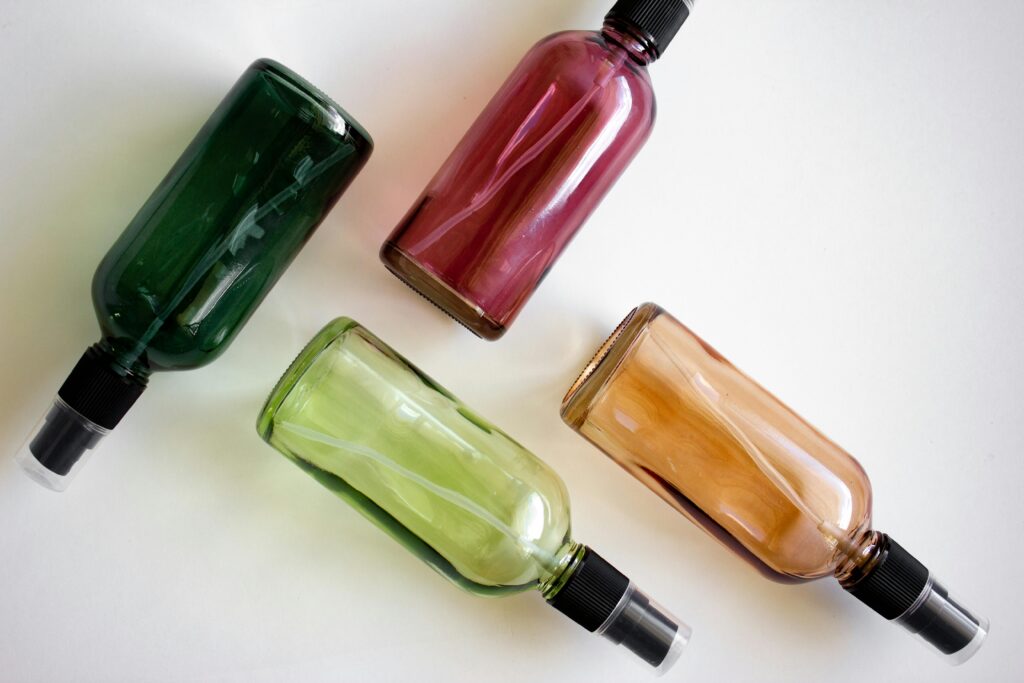
This is a great way to add herbs to your hair. It’s quick and easy, and is less likely to weigh down your hair than adding oils directly to your hair.
To use a spray bottle, simply start out by filling your spray bottle 2/3 of the way with distilled water or witch hazel. Spray Bottles
Then add about 20 drops of herbal oils or 1/2 cup of herb-infused water to the bottle.
If you’ve opted to use oils in your spray bottle, you’ll need an emulsifier that will bind the oil and water particles together, since they repel each other.
Good choices for all-natural emulsifiers are witch hazel , isopropyl alcohol, aloe vera, honey, and epsom salt, or liquid soap made from soap nuts. Just add a spoonful of any of these to the mixture and shake it well.
(As an Amazon Associate, I earn from qualifying purchases.) Additionally, I am not a doctor or health physician, and the advice given here should not be used in place of professional medical advice. Please do your own research.
How Do Herbs Help Your Hair?
Herbs work because they are strong antibacterials and antifungals.
These properties are so amazing and important! They keep your scalp, and the hair follicles in it, healthy. Healthier hair follicles are able to grow thick, luscious, strong hair, while common scalp complaints like fungal infections and bacteria, and dryness, flaking, and dandruff won’t be a problem anymore.
These herbs are also full of antioxidants, and this is so important for keeping your hair healthy!
The role antioxidants play in your health is complex, but in essence, they are vital to eliminating free radicals in the body. Free radicals are chemical compounds that are created naturally by the body, but if they build up to too high of a level, they can cause serious damage to cells and DNA throughout your entire body.
Antioxidants in herbs help your hair stay healthy by eliminating free radicals. In practice, they slow the processes that cause hair to turn grey and stop hair becoming brittle or falling out.
One important thing to realize about using herbs (and any treatment) on your hair, is that you might notice some immediate benefits, but the full restoration will take time to be noticeable.
Don’t get discouraged, just keep applying the herbs you’re using… Consistency is key here! After about six months of using the herbs, you’re almost certain to notice a huge improvement in your hair’s thickness and growth.
If you’re worried about being sensitive to the herbs, a good precaution to take is to do a small patch test on the inside of your elbow.
This area is especially sensitive, and if you’re going to have a reaction of any kind, this area of skin will show it. Just rub a drop of the herbal preparation on the spot with your fingertip and wait 24 hours to see if there’s any reaction. Look for redness, swelling, tingling, or itching, and if there is any, don’t use that herb on your scalp or hair.
Now, after going over all of the groundwork and prep work… we’re finally to the good stuffffff!! Which herbs you can and should use on your hair!! (I’m SO EXCITED!!)
The BEST Herbs for Growing Longer, Thicker, Stronger, Softer Hair
Each of these herbs have been used by generations of people to keep their hair healthy and beautiful. Today, people find that their hair is just absolutely gorgeous, strong, thick, and healthy after they add them to their daily hair-care routine!!
I encourage you to try them individually, alternating, and in combination, to find out exactly what your hair needs.
That said, don’t overwhelm yourself! Just choose one, and try it for six months or so… if you don’t notice any change, or if you’re still struggling with a specific challenge in your hair, come back to this list and see what else can help!
Good luck, and have a great time!
Rosemary
Rosemary is one of the most popular and effective herbs for helping your hair be its best. People love it, and for good reason… Because rosemary is awesome for hair!
Rosemary offers a handful of powerful bioactive compounds that remedy hair loss and poor growth. Rosemary also packs a powerful punch as an antimicrobial and antioxidant.
It nourishes your scalp, protects and heals hair from sun damage, and controls skin irritation, so dandruff and flaking become less of a problem, over time.
The secret to getting incredible growth and health benefits for your hair from rosemary is to apply it frequently to your hair. In studies where people have truly dramatic results, they put rosemary on their scalp and hair once or twice a day.
The most important concern when using rosemary (especially the essential oil) is that it can cause miscarriage of pregnancy. This is more likely if rosemary is used internally in large amounts, so it’s not a huge risk when applied to your scalp, but it is still something to be aware of and careful about.
Use as an essential/infused oil or infused water.
Recommended Organic Rosemary Essential Oil
(As an Amazon Associate, I earn from qualifying purchases.) Additionally, I am not a doctor or health physician, and the advice given here should not be used in place of professional medical advice. Please do your own research.
Mint
Mint works wonderfully for stimulating hair growth!
There are many varieties of mint to choose from, but the most common one used in hair care is peppermint because it is easy to find and contains a high level of menthol. Menthol is a vasodilator, which means it causes blood vessels to open and expand.
This is important because improving blood flow to the scalp allows more oxygen and nutrients to be circulated to the hair follicles… which, in turn, means stronger, thicker hair that grows longer without becoming brittle or falling out.
The menthol creates a cooling, tingling sensation on the scalp that many people find refreshing, and it smells lovely, too!
Mint is a strong antioxidant and antibacterial and antifungal, so common scalp ailments are managed and prevented when you use mint on your hair.
Use the essential/infused oil or infused water.
Recommended Organic Mint Essential Oil
(As an Amazon Associate, I earn from qualifying purchases.) Additionally, I am not a doctor or health physician, and the advice given here should not be used in place of professional medical advice. Please do your own research.
Cedarwood
Cedarwood shines in hair care! It is super-helpful for both dry and overly oily hair because it balances sebum production. It’s often combined with other hair-helping-herbs to get multi-herb benefits.
Cedarwood is another great vasodilator that supports good circulation to the scalp and hair follicles. It’s also a great antibacterial and antifungal, so hair will grow healthier and better when you add it to your hair care routine!
Use the essential/infused oil or infused water.
Recommended Organic Cedarwood Essential Oil
(As an Amazon Associate, I earn from qualifying purchases.) Additionally, I am not a doctor or health physician, and the advice given here should not be used in place of professional medical advice. Please do your own research.
Pumpkin Seeds
Pumpkin seeds are incredibly healthy for us and they’re incredible nourishing for hair. People using pumpkin seed for their hair have reported that their hair grows so much faster, longer, thicker, and incredibly lush. It’s become almost as popular as rosemary for hair care!
Pumpkin seeds are jam-packed with nutrition like omega-3 and omega-6 fatty acids, magnesium (which unlocks calcium deposits that build up on the hair shaft at the scalp), vitamin E, and antioxidants.
Pumpkin seeds (specifically pumpkin seed oil) might cause skin irritation in some people. It’s a good idea to do a patch test with pumpkin seed hair remedies before using on your hair. People with scalp dermatitis or psoriasis are advised to steer clear of pumpkin seeds for hair.
It’s also likely to increase oiliness in some people’s hair, so if you’re struggling with over oily hair, pumpkin seed might weigh your hair down more than you like.
Best used as pumpkin seed oil (you can make your own if you’d like!)
Recommended Organic Pumpkin Seed Oil
(As an Amazon Associate, I earn from qualifying purchases.) Additionally, I am not a doctor or health physician, and the advice given here should not be used in place of professional medical advice. Please do your own research.
Tea Tree (Melaleuca)
Tea tree is widely celebrated for its abilities as an antifungal, antibacterial, and anti-inflammatory. All of these benefits come to bear in hair care, and people suffering from dandruff (which is usually caused by a fungus), hair loss, eczema of the scalp, and very oily hair will appreciate its myriad of benefits for these challenges.
Tea tree oil doesn’t clean hair, but it acts as a clarifier, lifting and removing build up from the scalp and hair shaft. This allows hair to grow naturally without being weighted down or covered in chemical residue (either from the environment or from hair treatments), making healthier, more moisturized hair.
Recommended Organic Tea Tree Oil
(As an Amazon Associate, I earn from qualifying purchases.) Additionally, I am not a doctor or health physician, and the advice given here should not be used in place of professional medical advice. Please do your own research.
Castor Oil
It’s hard to overstate how good castor oil can be for the body if used correctly. It’s jam-packed with benefits that support our bodies! To grow long, luscious hair, castor oil is a wonderful moisturizer, scalp conditioner, and hair strand protector.
Castor oil works by creating a nourishing environment for your hair. It’s made up of vitamins, proteins, antioxidants, and fatty acids… it’s like a health smoothie for your hair!
If you want to use castor oil on your hair, it’s best to use it as a hair mask by coating all of your hair, and then letting it soak in. Only use castor oil about once a week, for 20 or 30 minutes, before washing it out.
Castor oil is also popular as a natural labor stimulant and can cause miscarriage for pregnant women, so pregnant women need to abstain from using castor oil on their hair.
Buy castor oil, or grow and process your own castor plants (castor beans are very poisonous, so be careful if you decide to make your own castor oil.)
Recommended Organic Castor Oil
(As an Amazon Associate, I earn from qualifying purchases.) Additionally, I am not a doctor or health physician, and the advice given here should not be used in place of professional medical advice. Please do your own research.
Jojoba Oil
Jojoba is well-known in skin and hair care community – and for outstanding reasons! It’s very similar to the sebum that the body naturally makes, so it’s able to penetrate deeply into the hair, nourishing and moisturizing it. People with dry hair find jojoba oil is a fantastic addition to their hair routine…
Funnily enough, it’s also great for balancing the body’s sebum production, so people battling oily hair really find it useful, as well!
Jojoba oil nourishes your hair on its own, and it’s many people’s favorite carrier oil to dilute other essential oils into before using on the body!
Buy jojoba oil, it’s widely available!
Recommended Organic Jojoba Oil
(As an Amazon Associate, I earn from qualifying purchases.) Additionally, I am not a doctor or health physician, and the advice given here should not be used in place of professional medical advice. Please do your own research.
Marshmallow Root
Marshmallow root is excellent for conditioning and strengthening hair. Thanks to its high mucilage content, it creates a slippery and nourishing liquid that is wonderful for detangling. It can be used in a spray bottle or applied with your hands.
People who use marshmallow root on their hair simply can’t describe enough how lovely and effective it is for restoring hair’s body and strength!
If dryness, frizziness, or brittleness is a problem for you, marshmallow is a natural solution that I highly recommend you try!
Buy the raw root material and boil in water until the liquid is reduced by half and has a thickened, slippery quality. Strain the liquid and use as a detangler or leave-in conditioner.
Recommended Organic Marshmallow Root
(As an Amazon Associate, I earn from qualifying purchases.) Additionally, I am not a doctor or health physician, and the advice given here should not be used in place of professional medical advice. Please do your own research.
Fenugreek
Fenugreek is a hair-healing powerhouse! It is well-known to help strengthen and thicken hair, and it also keeps hair from falling out, heals an unhealthy scalp, and slows greying.
If you’re really struggling with unhealthy hair, fenugreek is definitely one of the strongest remedies that I’ve found to help restore both your hair and your scalp.
Fenugreek is usually sold as seeds. They have a very tough, woody texture and should be boiled or steeped in hot water to get the hair-healing benefits into a usable, liquid form.
Recommended Organic Fenugreek Seeds
Recommended Organic Fenugreek Oil
(As an Amazon Associate, I earn from qualifying purchases.) Additionally, I am not a doctor or health physician, and the advice given here should not be used in place of professional medical advice. Please do your own research.
Aloe Vera
Another incredible hair-healer you should try is aloe vera. Its rich vitamin and mineral compounds work to soften and condition hair, and because of its naturally occurring enzymes, it’s awesome for cleaning deep into hair follicles and the scalp.
You can find aloe vera in many forms, but the easiest and most common forms for using on your hair are liquid and gel (both natural states of the juice from the plant).
Aloe vera is wonderful as a stand-alone liquid in your spray bottle, but many people use it in their hair-care potion with other essential oils for outstanding results!
Recommended Organic Aloe Vera Gel
(As an Amazon Associate, I earn from qualifying purchases.) Additionally, I am not a doctor or health physician, and the advice given here should not be used in place of professional medical advice. Please do your own research.
Scalp Massage
It’s so incredibly important and, just, lovely to massage your scalp after you’ve added any herbal infusions or oils to your hair!
A scalp massage works to help the herbs – and their fantastic properties – into your scalp better, but it also is important to stimulate the circulation in your scalp.
When you’ve added you herbal magic to your hair, just use your finger tips to push lightly, but firmly, into your scalp and rub in little circles. You’re not just rubbing in circles on the surface, you want to actually push your scalp around in a circular motion. You can also buy a scalp massager, if you wish. They work great!
Massage your scalp for at least five minutes, but feel free to work up to ten minutes. (Don’t be worried if you only get up to three minutes or so… we all do it!) But it’s great to do right before bed, or when you first get up. Just throw on a show or an audiobook, set a timer, and massage away!
When is the Best Time to Use the Herbs?
Speaking of scalp massage, it’s a good idea to use the herbs on your hair first thing in the morning, so they can sit on your hair and work their magic all day.
(If you take a morning shower, add the herbs after you get out, so you aren’t washing them right out!)
A similar logic applies to applying them right before bed. It’s a lovely part of your evening routine to shower, and then apply the herbs to your hair when you get out.
It’s also good to know that for many of these herbs, as they oxidize (react with oxygen in the air) they lose their potency. Adding them at a time when they have several hours to work before washing out is a good idea. By the time they’ve lost their magic, you can shower and add them again!
Even if you don’t wash your hair every day, it’s helpful to add some of these herbs daily, or even a couple of times per day (like rosemary), so be sure to experiment with your herb(s) of choice, do more in depth research on what works well for other people, and really be curious and take the time (and give it enough time) to find out what will give you the best, most beautiful hair you’ve ever had!!
So, what kind of challenges are you facing with your hair? Have you used any of these herbs, or any others, to heal your hair and get fantastic results?
I’d love your feedback, your insights, and to hear your success stories! Please leave a comment because I’d love to hear from you!
To your healthiest hair and best life,
Love,
Cariel
Leave a Reply